
GFVC LESOTHO
Where the Continental Model Becomes Production
FROM FLOOR TO MARKET. FROM MARKET TO SOVEREIGNTY.
GFVC Lesotho is the governing implementation centre of GFVC Africa in the Kingdom of Lesotho. It does not coordinate industrialisation — it runs it: mills and factories operating, skills deployed, suppliers qualified, and Basotho-made product moving to market.
The Node Where Framework Becomes Factory Floor
GFVC Lesotho is the national implementation node of GFVC Africa's continental industrial framework in the Kingdom of Lesotho. It exists for one reason: to convert the continental model into running production — mills operating, factories staffed, skills deployed and goods moving to market.
The distinction matters. GFVC Africa builds and maintains the architecture — including the policies and the Integrated 33-Tier Value Chain Industrialization Model that maps how raw materials, processing, manufacturing, enterprise, skills, investment, trade and regeneration connect into a single economic lifecycle. The architecture specifies how the machine should run.
GFVC Lesotho runs the machine — in partnership with SMART GFVC Africa, the commercial implementation arm, and the Policy Centre that guides the process. Together, we hold the national mandate to build, operate and deliver a high-growth, productive industrial ecosystem — putting frameworks, institutions, capital and skills to work as a single production system.
The Global Fashion Value Chain extends beyond clothing and fashion products. It spans the full economic system through which raw materials are produced, processed and transformed; capabilities are built; enterprises supply; investment is mobilised; goods reach markets; and resources are recovered and regenerated.
The measure of the node is output: value created, people employed, enterprises supplying, goods exported, resources regenerated. Everything else is instrument.
Lesotho Already Makes. The Task Is to Own More of What It Makes.
Lesotho's apparel industry is real, running and export-proven — one of Africa's most established garment platforms. But follow any Lesotho garment upstream and you will find imported fabric, imported trims, imported dyeing and finishing. The country operates the final lines of value chains whose earlier lines run elsewhere.
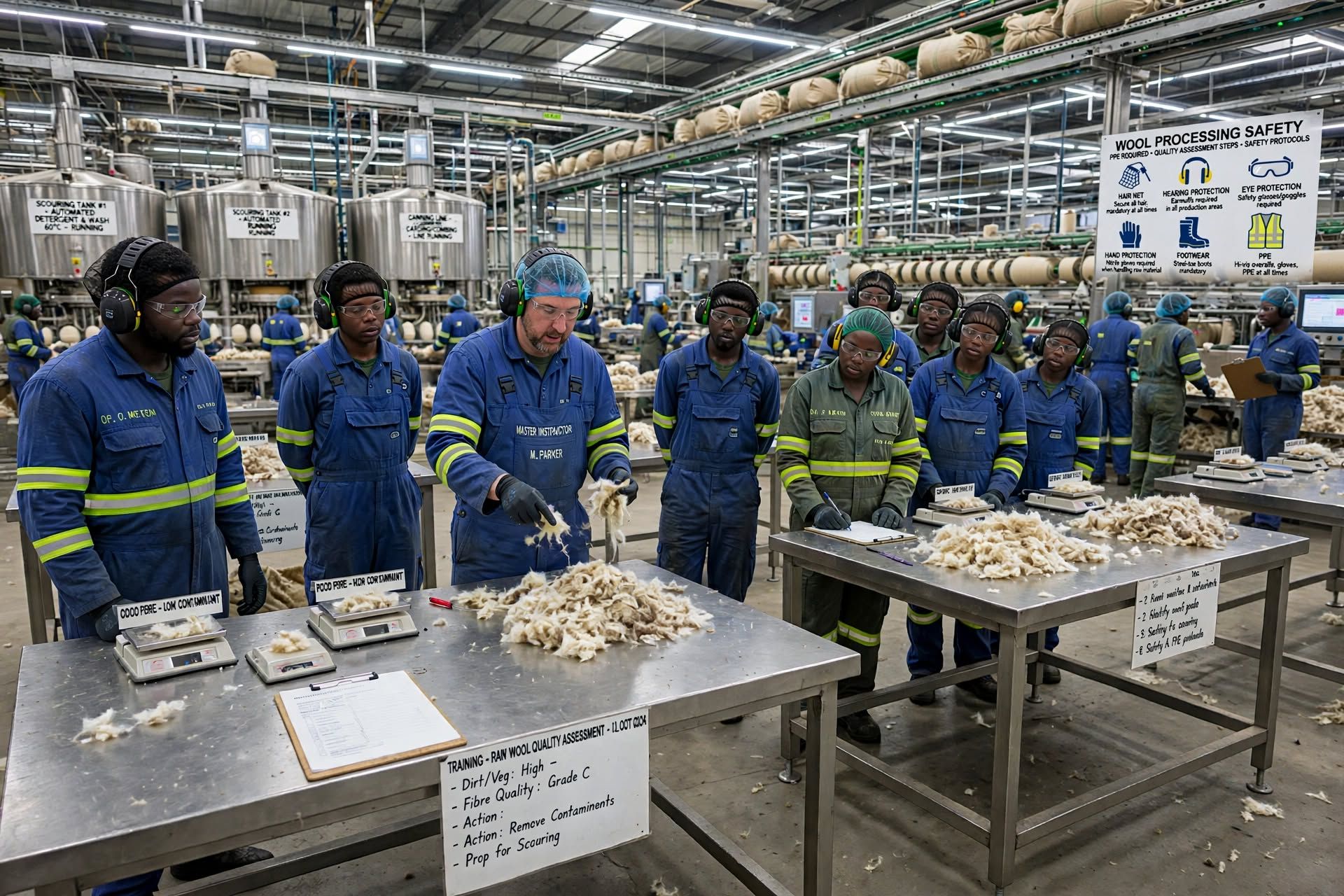
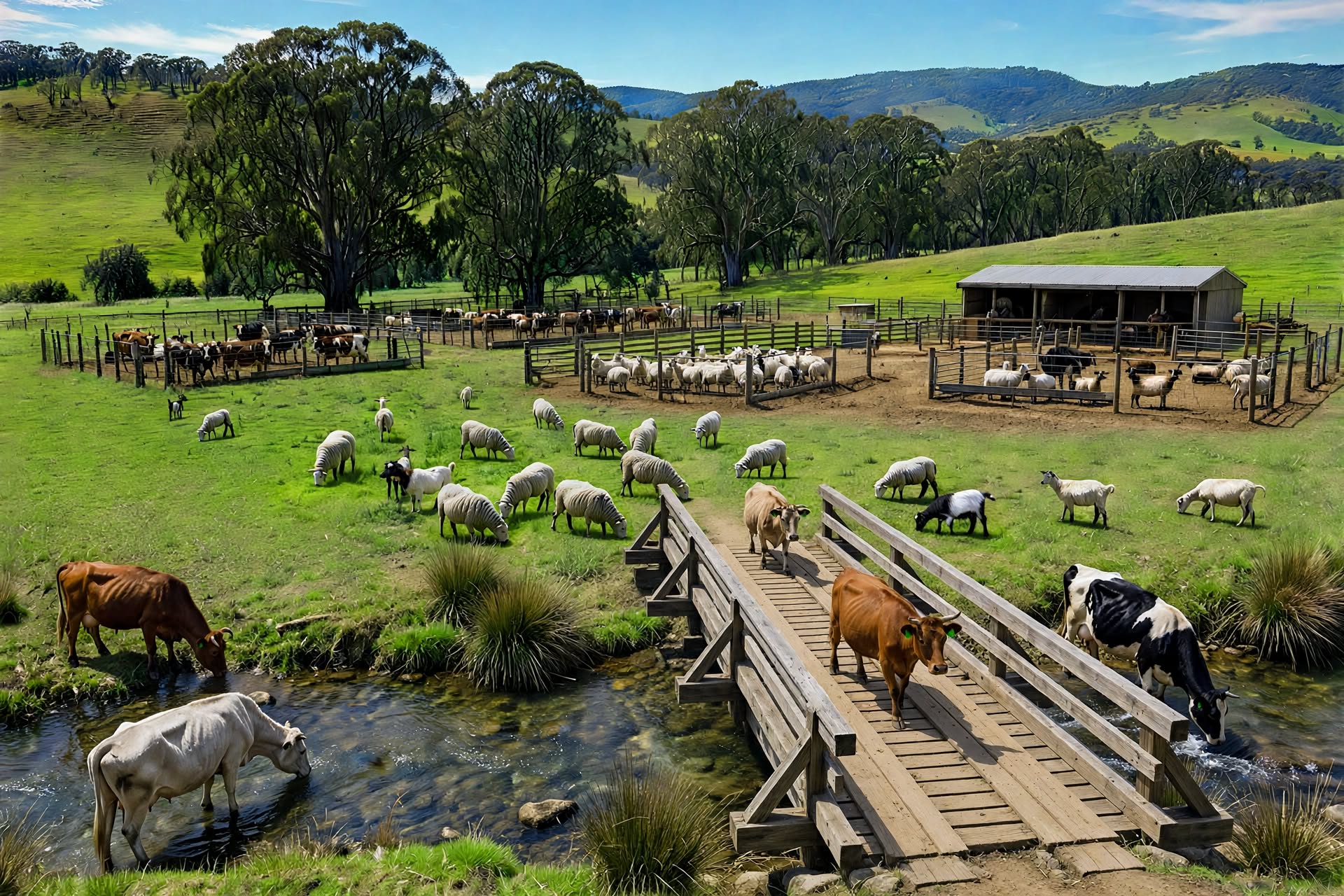
The pattern repeats across the economy: wool and mohair leave as raw fibre and return as finished product; agricultural produce is grown locally and processed elsewhere; mineral wealth exits without downstream transformation.
The opportunity is not to start industries — it is to bridge the gap. A gap that divides wealth: value created in Lesotho but captured elsewhere. And a gap of integration: where the chain is not connected, connect it; where the full macro-economic system is missing, build it — and operate it fully, end to end, from beginning to end. That is how the jobs the Basotho people need are created, and how the infrastructure they depend on is built and improved.
That is precisely what GFVC Lesotho is mandated to implement — building, with GFVC Africa and in partnership with local key stakeholders, the ecosystem that runs the whole way: from farm to market, from shelf to circular, regenerative industry. That is where we work.
The Baseline GFVC Lesotho Works From
These figures define the scale of the challenge and the opportunity. GFVC Lesotho's mandate is to move each one — jobs created, value captured, poverty reduced — through delivered industrial output, not coordination alone.
Share of the labour force without work but available for and seeking employment.
Year: 2024
Source: 2024 Labour Force Survey — Bureau of Statistics (BoS), Ministry of Finance
National survey measure. Published July 2025.
Unemployed youth as a share of the youth labour force aged 15–24.
Year: 2024
Source: 2024 Labour Force Survey — Bureau of Statistics (BoS)
Up from 22.5% total unemployment in 2019.
Unemployed young women as a share of the female youth labour force aged 15–24.
Year: 2024
Source: 2024 Labour Force Survey — Bureau of Statistics (BoS)
Women disproportionately affected by informal employment (84% nationally).
Population living below the 2021 PPP US$3.00/day international poverty line.
Year: 2023/24
Source: UNDP / OPHI 2025 Global Multidimensional Poverty Index (MPI)
Based on 2023/2024 household survey data.
Population with overlapping deprivations across health, education and living standards.
Year: 2023/24
Source: UNDP / OPHI 2025 Global MPI
579,000 people; a further 20.6% are vulnerable to multidimensional poverty.
Export value of wool.
Year: 2025/26
Source: Lesotho 2025/26 Budget Estimates
Export value, not the total potential value of the fibre economy.
Export value of mohair.
Year: 2025/26
Source: Lesotho 2025/26 Budget Estimates
Export value, not the total potential value of the fibre economy.
Share of total employment in informal jobs without social protection.
Year: 2024
Source: 2024 Labour Force Survey — Bureau of Statistics (BoS)
Especially concentrated among women and youth.
These figures have different reference periods and definitions. The unemployment rate (30.1%) is a national survey measure from the 2024 Labour Force Survey, not directly comparable to the World Bank's modelled ILO estimate. Wool and mohair values are export figures from budget estimates, not the total potential value of the fibre economy. Before publishing, verify the latest available releases and record each figure's year, unit, source and definition.
Seven Operating Mandates. One Accountable Node.
GFVC Lesotho implements GFVC Africa's industrial development framework in the Kingdom of Lesotho — end to end, on the ground — through the following areas of work.
Where the Node Deploys First
Six areas selected for existing production base, employment density and upstream potential — the ground where implementation begins.
From Fragmented Activities to an Integrated Industrial Economy
GFVC Lesotho applies the GFVC Africa Integrated 33-Tier Value Chain Industrialization Model as a continental framework for connecting the full economic lifecycle. The approach recognises that industrial value is created across interconnected activities, not only at the point of final manufacturing or sale.
FROM SOIL TO SHELF · FROM CONSUMPTION TO CIRCULAR REGENERATION
The model provides an integrated framework for identifying gaps, coordinating stakeholders and developing industrial opportunities across the value chain. The detailed operational architecture remains part of the wider GFVC Africa institutional framework.
One Delivery System. Every Institution on a Line.
No ministry, factory, college or investor industrialises a country alone. Industrialisation is a team operation with one non-negotiable requirement: somebody must run it. GFVC Lesotho runs it — deploying each institution where it performs and holding the system accountable for output.
From Policy Statement to Production Line
Industrial strategy fails in the gap between the document and the floor. GFVC Lesotho closes that gap — taking national priorities and implementing them as running programmes: skills cohorts formed, suppliers qualified, machines installed, output measured.
The node does not study constraints and publish observations. It fixes what blocks production — deploying the ecosystem's institutions as instruments and reporting results in units of output.
Capital That Becomes Capacity
Money that doesn't become machinery, training and market access is a transfer, not an investment. GFVC Lesotho originates, structures and implements industrial projects end to end — from feasibility to commissioning to output — with investors, development finance institutions, manufacturers, technology providers and infrastructure partners.
The node prepares, delivers and oversees. Final investment commitments, financing arrangements and project approvals remain subject to the relevant institutions, investors and applicable processes.
Where the Continental System Convenes
Where Africa's Industry-Focused Value Chains Move from Ambition to Action
The Gateway convenes public and private investors, governments, producers, manufacturers, technology partners and global buyers to strengthen the governance and industrial capacity that make African industries more competitive.
Here, partners build trade corridors and global knowledge partnerships, enable technology transfer, coordinate GFVC Africa policies and implementation strategies, and reveal innovations ready to scale. It is also a platform to source goods, form trade and industrial partnerships, and connect Pan-African and global value-chain players.
By turning collaboration into production, trade and investment, the Gateway advances the objectives of the African Continental Free Trade Area (AfCFTA).
FROM SOIL TO SHELF: APPLY > PROVE > PITCH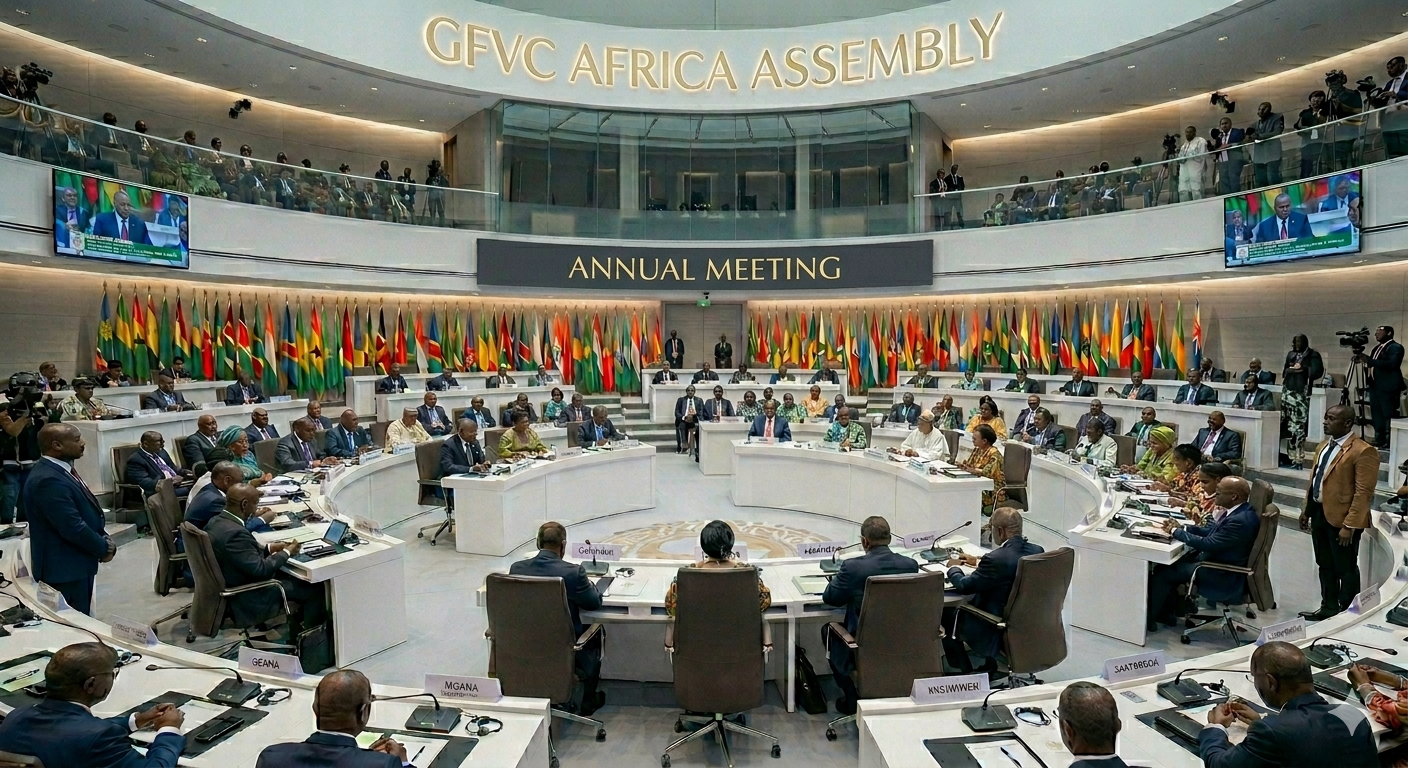
THE 1ST GFVC AFRICA ASSEMBLY
National Priorities First. Continental Frameworks as Instruments.
GFVC Lesotho implements within the Kingdom's development priorities. Continental and international frameworks are instruments in that work — points of alignment and cooperation, never substitutes for national mandates. The node aligns where alignment accelerates delivery, and defers to national authority where authority sits.
We Build the Chain — Not the Presentation
Industrial development is measured in factories running, people skilled, enterprises supplying and value retained at home. GFVC Lesotho is committed to exactly that: implementing the integrated value chain so that economic activity generates domestic value, productive opportunity and a resilient national economy — under the continental vision of GFVC Africa.
From continental framework to delivered sovereignty, the node does the work.
Plug Into the Delivery System
GFVC Lesotho works with institutions and enterprises that want their contribution built into delivered industrial output — not appended to a coordination structure.
Put the Node to Work
For institutional partnerships, industry participation, investment enquiries, research collaboration and SMART GFVC GATEWAY engagement, contact the national implementation node.
GFVC Lesotho — The Governing Implementation Centre of GFVC Africa in the Kingdom of Lesotho.